
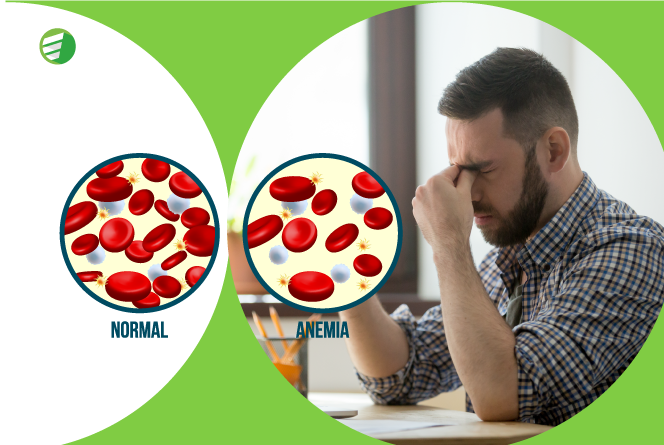
At Echavarría Medical Laboratory, we know that anemia is one of the most common hematological disorders in the world. According to the World Health Organization (WHO), it affects about 1 in 4 people, with a higher prevalence in women, children, and older adults. Although it can have multiple causes, early detection and proper treatment are key to avoiding complications and improving quality of life.
What is anemia?
Anemia is not a disease in itself, but rather a clinical sign indicating a decrease in the number of red blood cells or hemoglobin in the blood, which limits the ability to transport oxygen to tissues. This condition can develop slowly and silently or appear suddenly, depending on its cause.
Main causes of anemia:
- Iron deficiency (iron deficiency anemia) This is the most common form worldwide. It occurs when the body does not have enough iron to synthesize hemoglobin. It can be caused by a diet low in iron, intestinal absorption problems, or chronic blood loss (e.g., heavy menstruation or gastrointestinal bleeding).
- Vitamin B12 or folic acid deficiency These vitamins are essential for normal red blood cell formation. A deficiency can cause megaloblastic anemia, characterized by large, abnormal red blood cells.
- Chronic diseases Conditions such as chronic kidney disease, certain types of cancer, inflammatory bowel disease, or persistent infections can reduce red blood cell production.
- Acute or chronic blood loss Due to trauma, surgery, ulcers, hemorrhoids, gastrointestinal bleeding, or excessive menstruation.
- Genetic disorders These include hereditary diseases such as sickle cell anemia or thalassemias, which affect the shape and functionality of red blood cells.
Diagnosis from the laboratory
The diagnosis of anemia requires clinical tests that not only confirm its presence but also help identify its cause. At Echavarría Medical Laboratory, you will find tests such as:
- Complete blood count Assesses the number and characteristics of red blood cells, white blood cells, and platelets, as well as hemoglobin and hematocrit levels.
- Serum ferritin Indicates iron stores in the body. Low values suggest iron deficiency, even before anemia appears.
- Vitamin B12 and folic acid determine whether there is a deficiency of these micronutrients.
- Kidney and liver function tests These tests allow us to assess whether diseases of these organs are contributing to anemia.
- Fecal occult blood test Useful for detecting blood loss in the digestive tract.
Treatment and follow-up
Treatment depends on the identified cause:
- Iron, vitamin B12, or folic acid supplements when there is a nutritional deficiency.
- Treatment of the underlying disease if the anemia is secondary to another condition.
- Blood transfusions in severe cases or with significant symptoms.
Your treating physician will choose the best treatment for you, based on the cause and your current state of health.
The importance of prevention and control
Many types of anemia can be prevented or detected early through regular blood tests and checks for important nutrients such as iron, vitamin B12, and folic acid. A varied diet, detection and management of chronic diseases, and timely medical care are the best tools for protecting your health.
At Echavarría Medical Laboratory, we are committed to your well-being. That's why we offer accurate testing, professional guidance, and personalized follow-up so you can maintain healthy blood and an active life.