
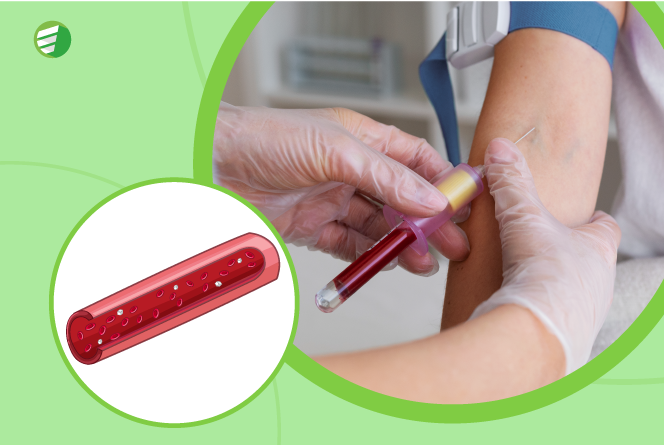
Maintaining adequate blood glucose levels is essential for preserving health and preventing diseases such as diabetes and its complications. Glucose, also known as blood sugar, comes mainly from the carbohydrates we consume and, to a lesser extent, can be produced by the liver from other energy sources.
Along with proteins and fats, glucose is one of the main sources of energy for the body. It nourishes vital organs such as the brain, muscles, and nervous system. Its regulation depends on a complex system involving the pancreas, liver, small intestine, muscle tissue, and adipose tissue, under the control of hormones such as insulin and glucagon.
Carbohydrates: not all are the same
Carbohydrates are the body's main source of energy and are found in a wide variety of foods, from fruits and vegetables to bread, rice, and added sugars. An easy way to identify them is that they are usually foods that provide starch, fiber, or sugars.
The American Heart Association recommends prioritizing complex carbohydrates, found in foods such as brown rice, oats, fruits, vegetables, and whole grains, because they are digested more slowly and release glucose gradually, which helps maintain stable energy levels and prevents sudden spikes in blood sugar. In contrast, simple carbohydrates, such as refined sugar, sweets, sugary drinks, etc., quickly raise glucose levels and, when consumed in excess, increase the risk of metabolic disorders.
Blood glucose abnormalities
Glucose control is vital because both high and low levels can have serious consequences.
Hyperglycemia (high blood sugar)
It occurs when the concentration of glucose in the blood exceeds normal values. The most common causes are:
- Type 1 diabetes: the pancreas does not produce insulin.
- Type 2 diabetes: the body does not use insulin effectively (insulin resistance).
- Severe physical or emotional stress.
- Use of certain medications (e.g., corticosteroids).
Common symptoms: excessive thirst, frequent urination, blurred vision, fatigue, unintentional weight loss, slow-healing wounds, tingling in the feet or hands.
Hypoglycemia (low blood sugar)
This occurs when blood glucose is below normal. It may be caused by:
- Excessive use of insulin or hypoglycemic medications.
- Prolonged fasting or malnutrition.
- Hormonal disorders such as hypothyroidism or Addison's disease.
- Liver or kidney disorders.
- Insulin-producing pancreatic tumors (insulinomas).
Common symptoms: sudoración, temblores, mareo, confusión, palpitaciones, visión borrosa, pérdida de conciencia en casos graves.
Recommended glucose tests
Some tests you can take to find out your glucose levels are:
- Fasting blood glucose: measures blood sugar after 8 to 12 hours of fasting.
- Postprandial glucose: measures glucose 2 hours after a meal.
- Glucose tolerance curve: analyzes the body's response after ingesting a glucose load.
- O'Sullivan test: used in screening for gestational diabetes.
- Measurement of basal insulin and afterload.
- Glucose in other fluids (serum, cerebrospinal fluid).
Risks of not controlling glucose
Having glucose levels outside the normal range, whether high (hyperglycemia) or low (hypoglycemia), can lead to serious complications if not corrected in time.
- Persistent hyperglycemia: progressively damages blood vessels and nerves, increasing the risk of:
- Cardiovascular diseases.
- Stroke.
- Diabetic nephropathy (kidney damage).
- Diabetic retinopathy (vision loss).
- Peripheral neuropathies.
- Severe hypoglycemia: deprives the brain and other organs of the energy they need to function, which can cause:
- Dizziness, confusion, and extreme weakness.
- Seizures or loss of consciousness.
- In severe cases, irreversible brain damage or even death.
Keeping glucose within the recommended ranges not only helps prevent these complications, but also improves daily energy levels and quality of life.
Prevention and monitoring
If you suspect that your blood sugar levels are abnormal, it is essential that you consult your doctor. However, you can take some simple steps to keep them under control:
- A balanced diet low in simple sugars.
- Regular physical activity.
- Maintain a healthy weight.
- Avoid excessive tobacco and alcohol consumption.
- Regular laboratory tests, especially if there is a risk of diabetes (age > 45 years, overweight, family history, hypertension, sedentary lifestyle).
Remember: At Echavarría Medical Laboratory, we offer you state-of-the-art technology and specialized staff to measure and monitor your glucose levels, prevent complications, and contribute to your good health.