
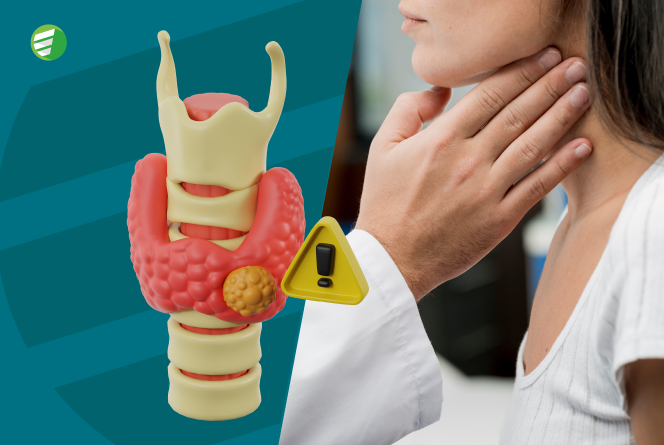
The thyroid is a butterfly-shaped gland located at the front of the neck, just below the larynx. Its average weight in an adult is around 20 grams. Although small, it performs crucial functions by producing thyroid hormones, which are essential for regulating various functions of the human body such as temperature, energy metabolism, heart rate, and memory.
There are different thyroid disorders that, if not treated in time, can lead to a series of complications that seriously compromise health. Currently, a blood test that measures TSH (thyroid-stimulating hormone) levels is key to confirming whether there is a disorder such as hypothyroidism or hyperthyroidism.
Major thyroid disorders
Hypothyroidism: It occurs when the thyroid gland does not produce enough thyroid hormones. Its most common cause is Hashimoto's thyroiditis, an autoimmune disorder. Other causes may include previous treatments for hyperthyroidism, radiation therapy, thyroid surgery, and certain medications.
Hyperthyroidism: It is characterized by excessive production of thyroid hormones. The most common cause is Graves' disease, followed by toxic multinodular goiter and thyroid adenomas.
Common symptoms of hypothyroidism
These symptoms appear gradually and often go unnoticed at first. They are often mistakenly attributed to stress or poor eating habits. Some of them include:
- Persistent fatigue
- Moderate weight gain (mainly due to fluid retention)
- Memory and concentration problems
- Dry, pale, and fragile skin
- Brittle hair and hair loss
- Brittle nails
- Decreased heart rate (bradycardia)
- Muscle pain and stiffness
- Constipation
- Reproductive problems (low libido, infertility, erectile dysfunction)
Risk factors
Some people are more likely to develop hypothyroidism due to genetic factors, especially if there is a family history of autoimmune diseases such as type 1 diabetes, lupus, rheumatoid arthritis, or celiac disease. Other risk factors include advanced age, pregnancy, obesity, extreme iodine diets, and specific medical treatments.
Treatment
Once diagnosed through clinical tests, the main treatment for hypothyroidism is daily use of levothyroxine, which compensates for the thyroid hormone that is lacking in the body.
The objectives of treatment are:
- Eliminate symptoms
- Normalize TSH levels
- Avoid side effects from excessive doses, particularly in older adults.
After starting treatment, an initial evaluation is recommended between 4 and 8 weeks, followed by six-monthly check-ups during the first year and annual check-ups thereafter.